If you own a home in Valdosta or anywhere in South Georgia, you have almost certainly dealt with the question of which grass to grow in your yard. The two most popular warm-season turf types in our area are bermuda grass and centipede grass, and they could not be more different in terms of care, appearance, and performance. Choosing between centipede grass vs bermuda is one of the most important decisions you can make for your lawn, because it affects how much time, money, and effort you will spend maintaining it for years to come.
At Elite Landscapes, we install and maintain both bermuda and centipede lawns across Valdosta, Lowndes County, and the surrounding areas. We see the strengths and weaknesses of each grass type every day, on every kind of property, from small residential lots to large commercial sites. This guide breaks down bermuda grass vs centipede in detail so you can make an informed decision based on your yard, your budget, and how you actually use your outdoor space.
Bermuda Grass vs Centipede Grass Overview
Before diving into the specifics, it helps to understand the fundamental differences between these two grasses. Bermuda grass is a high-performance, high-maintenance turf that thrives in full sun and rewards aggressive care with a dense, dark green lawn. Centipede grass is a low-maintenance, slow-growing turf that performs well in acidic soils with minimal fertilization and is often called the "lazy man's grass" for good reason.
Both grasses are warm-season varieties well suited to South Georgia's climate, USDA Zone 8b. They both go dormant in winter and green up in spring, typically late March through April in the Valdosta area. However, their similarities mostly end there. Here is a quick comparison of the key differences between centipede vs bermuda grass:
- Growth rate: Bermuda spreads aggressively through stolons and rhizomes. Centipede spreads slowly through stolons only.
- Mowing height: Bermuda performs best at 1 to 1.5 inches. Centipede prefers 1.5 to 2.5 inches.
- Sun requirements: Bermuda needs 6 to 8 hours of direct sun. Centipede tolerates partial shade.
- Fertilizer needs: Bermuda requires 3 to 5 pounds of nitrogen per 1,000 sq ft per year. Centipede needs only 1 to 2 pounds.
- Soil pH preference: Bermuda prefers 6.0 to 7.0. Centipede prefers acidic soil at 5.0 to 6.0.
- Drought tolerance: Bermuda is highly drought tolerant. Centipede is moderate.
- Traffic tolerance: Bermuda handles heavy foot traffic. Centipede does not recover well from wear.
- Maintenance level: Bermuda is high maintenance. Centipede is low maintenance.
Appearance and Growth Habit
Bermuda grass produces a fine-textured, dense turf with a deep green color when properly maintained. It grows aggressively through both above-ground stolons and below-ground rhizomes, which gives it the ability to fill in bare spots and recover from damage quickly. Common bermuda has a slightly coarser texture, while improved varieties like TifTuf and Tifway 419 offer a finer blade and more uniform appearance. When mowed at the correct height of 1 to 1.5 inches, a bermuda lawn looks tight and manicured, similar to what you would see on a golf course fairway.
Centipede grass has a medium texture with a distinctive apple-green or yellow-green color that is noticeably lighter than bermuda. It grows slowly and spreads only through stolons, not rhizomes, which means it is less invasive but also slower to fill in damaged areas. Centipede naturally grows in a more relaxed, open pattern and is typically mowed at 1.5 to 2.5 inches. It will never achieve the dense, carpet-like appearance of a well-maintained bermuda lawn, but many homeowners in the Valdosta area prefer its softer look and lower upkeep.
Sun and Shade Tolerance
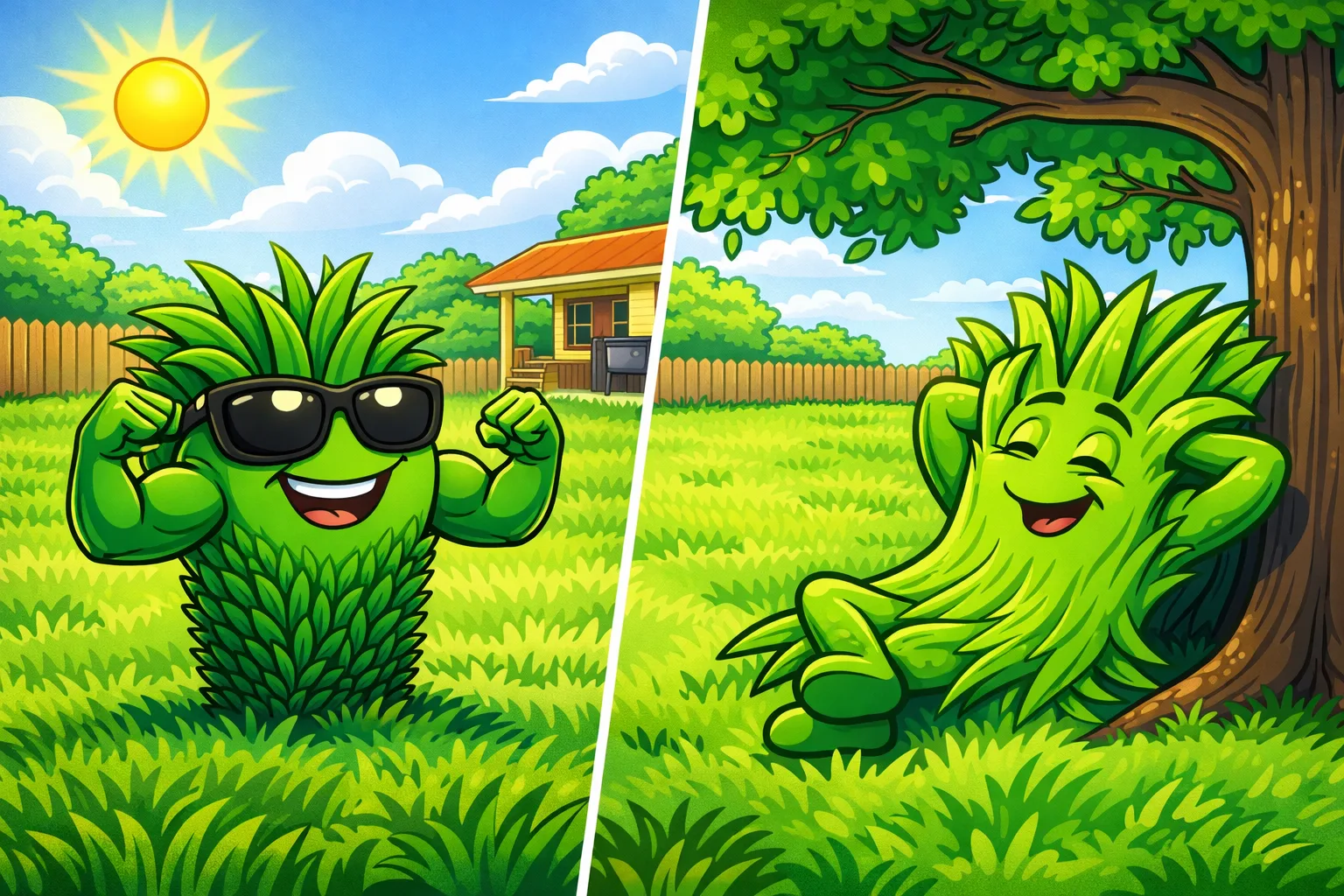
This is one of the biggest factors to consider when choosing between bermuda grass vs centipede for a South Georgia yard. Bermuda grass is a full-sun grass that requires at least 6 to 8 hours of direct sunlight per day. In shaded areas, bermuda thins out rapidly, becomes leggy, and eventually dies. If your property has large live oaks, pecan trees, or other mature hardwoods that cast significant shade, bermuda will struggle in those areas regardless of how well you maintain it.
Centipede grass handles partial shade significantly better than bermuda. While it still performs best in full sun, centipede can tolerate 4 to 6 hours of filtered or direct sunlight and maintain reasonable density. For properties in older Valdosta neighborhoods where mature tree canopy is a factor, centipede is often the more practical choice for areas that receive mixed sun and shade throughout the day. That said, neither bermuda nor centipede will thrive in heavy shade. If your yard has areas that receive less than 4 hours of sunlight, St. Augustine or zoysia grass may be better options for those specific zones.
Water and Drought Tolerance
Bermuda grass is one of the most drought-tolerant warm-season grasses available. Its deep root system, which can extend 6 feet or more into the soil, allows it to access moisture far below the surface during dry periods. During our South Georgia summers, when temperatures regularly hit the mid-90s and rainfall can be inconsistent, bermuda will go semi-dormant and turn brown during extended drought but will recover quickly once water becomes available again. For homeowners without irrigation systems, bermuda's drought tolerance is a major advantage.
Centipede grass has a shallower root system and moderate drought tolerance. It will show stress signs, including wilting, graying, and thinning, sooner than bermuda during dry spells. Centipede can survive short periods of drought, but prolonged dry conditions without supplemental watering can cause significant dieback. If you have centipede grass in Valdosta and do not have an irrigation system, you will likely need to hand-water during July and August to keep the lawn healthy through our hottest months.
Maintenance Requirements
Maintenance is where the differences between centipede vs bermuda grass become most apparent in your weekly routine and annual budget. Bermuda grass is a high-maintenance turf. It grows fast, sometimes requiring mowing twice per week during peak growing season from May through August. It needs regular edging because its aggressive stolons and rhizomes will invade flower beds, sidewalks, and driveways if left unchecked. Bermuda also benefits from annual dethatching or aeration and typically requires pre-emergent and post-emergent weed control applications throughout the season.
Centipede grass is genuinely low maintenance. Its slow growth rate means you will mow once per week at most during the growing season, and sometimes every 10 to 14 days is sufficient. Centipede does not develop heavy thatch layers the way bermuda does, so dethatching is rarely necessary. It also tends to be less aggressive about invading adjacent areas, reducing the amount of edging work required. For homeowners who want a decent-looking lawn without spending every weekend behind a mower, centipede is hard to beat.
Fertilization Needs
Fertilization is another area where bermuda and centipede differ dramatically, and getting this wrong can cause serious problems. Bermuda grass is a heavy feeder that performs best with 3 to 5 pounds of nitrogen per 1,000 square feet per year, divided across 3 to 4 applications from April through September. It responds well to regular feeding and will reward a consistent fertilization program with thick, vigorous growth and deep color.
Centipede grass requires very little fertilizer, only 1 to 2 pounds of nitrogen per 1,000 square feet per year, typically applied in one or two light applications. This is critically important to understand: over-fertilizing centipede is one of the most common mistakes we see in the Valdosta area, and it is one of the fastest ways to kill an otherwise healthy centipede lawn. Excess nitrogen causes centipede to develop a thick thatch layer, increases its susceptibility to disease, and can lead to a condition called centipede decline, where the grass progressively weakens and dies off in patches. Centipede also prefers acidic soil with a pH between 5.0 and 6.0, and applying lime or high-pH fertilizers can cause iron chlorosis, turning the grass yellow.
South Georgia's naturally sandy, acidic soils are actually ideal for centipede grass without much amendment. If you choose centipede, the best approach is to soil test before applying anything and resist the temptation to over-feed it.
Traffic and Wear Tolerance
If your yard sees regular foot traffic from kids, pets, or outdoor activities, bermuda grass is the clear winner. Its aggressive growth habit and dual spreading mechanism through stolons and rhizomes allow it to recover from wear and damage faster than almost any other warm-season grass. This is why bermuda is the standard choice for athletic fields, playgrounds, and high-traffic commercial landscapes across South Georgia.
Centipede grass has poor traffic tolerance. Its slow growth rate means that worn or damaged areas take a long time to fill back in, and repeated traffic in the same areas will create bare patches that may need to be resodded. If you have an active family or large dogs that run the same paths through the yard, centipede will show wear patterns much more quickly than bermuda. For lower-traffic areas like front yards, side yards, or properties where the lawn is primarily ornamental, centipede performs just fine.
Which Grass Is Best for South Georgia?
There is no single best grass for every property in South Georgia. The right choice depends entirely on your specific conditions and priorities. After more than a decade of installing and maintaining lawns in the Valdosta area, here is what we typically recommend:
Choose bermuda grass if:
- Your yard gets full sun for most of the day (6+ hours)
- You want a dense, manicured look and are willing to put in the maintenance
- Your yard gets heavy foot traffic from kids, pets, or entertaining
- You do not have an irrigation system and need maximum drought tolerance
- You want a lawn that recovers quickly from damage
Choose centipede grass if:
- Your yard has areas of partial shade from trees
- You want a low-maintenance lawn that does not require constant attention
- You prefer to spend less on fertilizer, mowing, and lawn care overall
- Your property is primarily ornamental with light foot traffic
- Your soil is naturally acidic (common in South Georgia)
Many properties in the Valdosta area actually benefit from using both grasses in different zones. We have installed bermuda in sunny, high-traffic backyards and centipede in shadier front yards on the same property. This approach lets you match the grass type to the conditions in each area rather than forcing one grass to perform in conditions it is not suited for.
How to Choose the Right Grass for Your Yard
Selecting between bermuda grass vs centipede comes down to evaluating three things: your site conditions, your maintenance commitment, and your expectations for the lawn's appearance and use.
Start by assessing sunlight. Walk your property at different times of day and note which areas receive full sun, partial sun, and heavy shade. Areas with less than 6 hours of direct sun are poor candidates for bermuda and better suited to centipede or another shade-tolerant grass.
Next, consider how much time and money you are willing to invest in lawn care. A bermuda lawn in Valdosta will need mowing 25 to 35 times per year, multiple fertilizer applications, regular weed treatments, and possibly irrigation. A centipede lawn may need mowing 15 to 20 times per year, one or two light fertilizer applications, and less frequent weed control. The annual cost difference can be substantial.
Finally, think about how you use your yard. If it is primarily a space for kids and dogs to play, bermuda's durability is a significant advantage. If your yard is more of a visual backdrop that you want to look good without constant work, centipede is the practical choice.
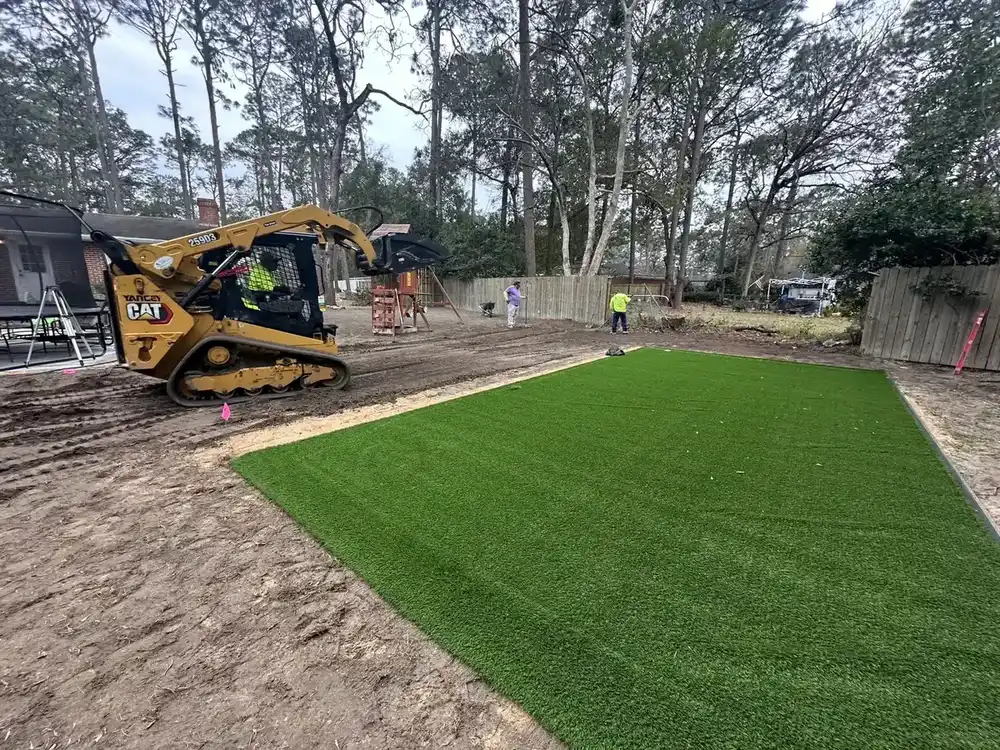
If you are unsure, a soil test and professional site evaluation can help you make the right call. We offer free consultations for homeowners in the Valdosta area who are planning new sod installation or considering a turf type change.
Frequently Asked Questions
Can bermuda and centipede grass grow together?
They can coexist temporarily, but it is not a good long-term strategy. Bermuda grass is aggressive and will eventually invade and overtake centipede in areas that receive full sun. The two grasses also have conflicting maintenance needs, particularly around fertilization. The nitrogen levels that bermuda requires will damage centipede, and the low-fertility conditions that centipede prefers will leave bermuda thin and weak. If you have both grasses on your property, the best approach is to establish clear boundaries and maintain each zone according to its specific grass type's requirements.
Which grass is cheaper to maintain?
Centipede grass is significantly cheaper to maintain over time. It requires less mowing, less fertilizer, less weed control, and less water than bermuda. For a typical residential lawn in Valdosta, the annual maintenance cost difference between a bermuda lawn and a centipede lawn can range from several hundred dollars for a DIY homeowner to over a thousand dollars for a professionally maintained property. Centipede's lower input requirements are one of its biggest selling points for budget-conscious homeowners.
Is centipede grass good for South Georgia?
Yes, centipede grass is an excellent choice for South Georgia. Our region's warm climate, long growing season, and naturally acidic sandy soils are well suited to centipede's preferences. It is one of the most commonly planted residential turf grasses in the Valdosta area, particularly in neighborhoods with mature tree canopy where partial shade is a factor. The main considerations are ensuring adequate drainage, since centipede does not tolerate waterlogged soil, and avoiding the temptation to over-fertilize, which is the leading cause of centipede decline in our area.
How do I switch from centipede to bermuda grass?
Switching from centipede to bermuda requires removing the existing centipede turf and establishing new bermuda sod or seed. The most effective method is to kill the existing centipede with a non-selective herbicide, wait 7 to 14 days for it to die completely, then remove the dead turf through sod cutting or aggressive dethatching. After preparing the soil with proper grading, amendments based on a soil test, and starter fertilizer, new bermuda sod can be installed. The best time to make this switch in South Georgia is late April through June, when soil temperatures are warm enough for bermuda to establish quickly. A professional sod installation ensures proper soil prep, grading, and establishment care, which are critical for long-term success.