Understanding Shade Challenges
Before solutions come the problems. Most grass varieties need significant sunlight to thrive. In heavily shaded areas, grass often struggles to:
- Photosynthesize effectively
- Develop strong root systems
- Resist disease and pest infestations
- Compete with shade-tolerant weeds
Choosing the Right Grass
The first step involves selecting appropriate varieties. For Southern lawns, recommended options include:
- St. Augustine grass
- Zoysia grass
- Centipede grass
These warm-season grasses can tolerate more shade than others, though they still require at least 4-5 hours of filtered sunlight daily.
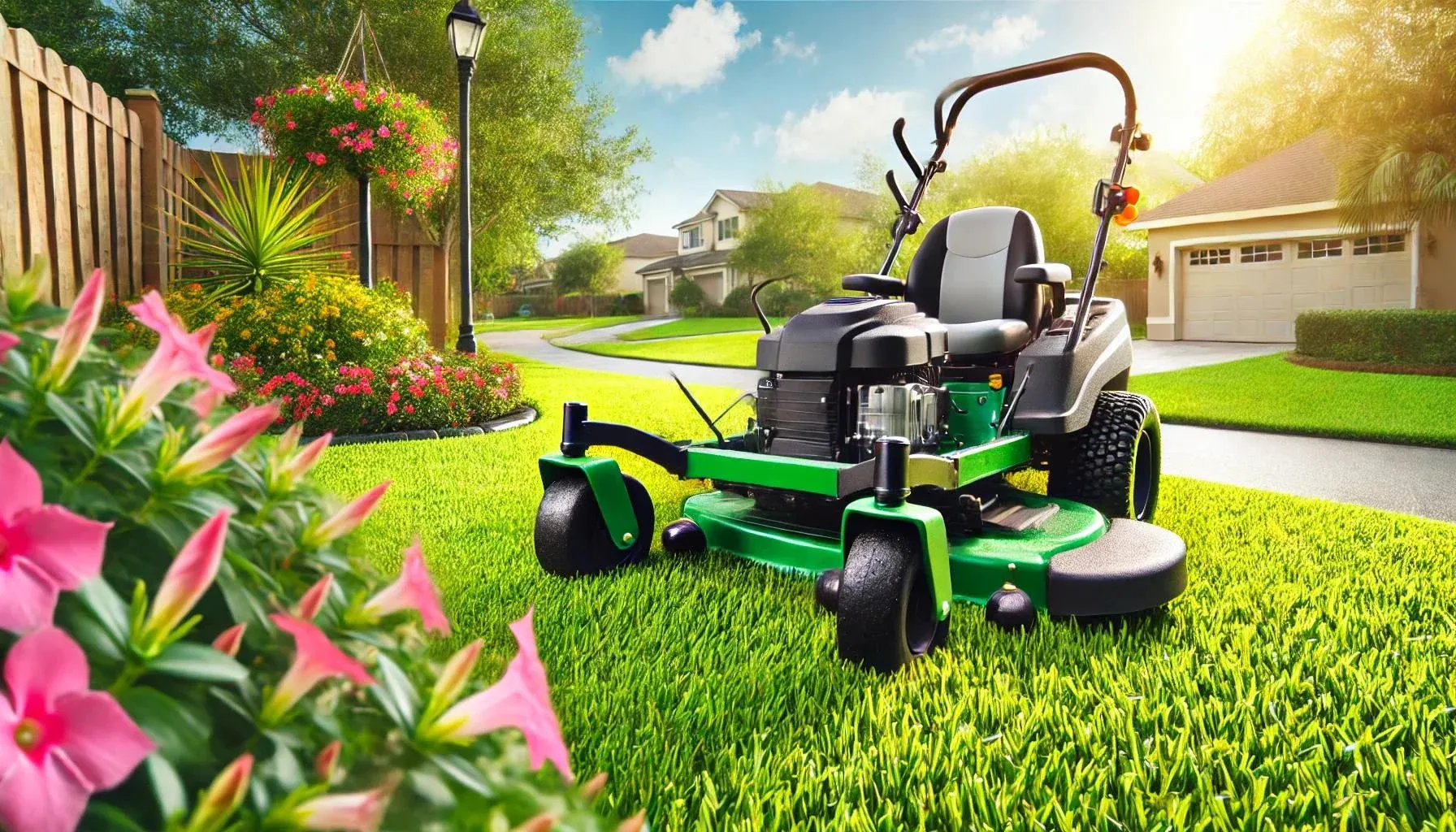
Proper Mowing Techniques
When dealing with shaded areas, adjust your mowing habits:
- Mow higher: Longer grass blades have more surface area for photosynthesis.
- Mow less frequently: Grass grows slower in shade, so it needs less frequent cutting.
- Keep blades sharp: Clean cuts help grass heal faster and resist disease.
Smart Watering Practices
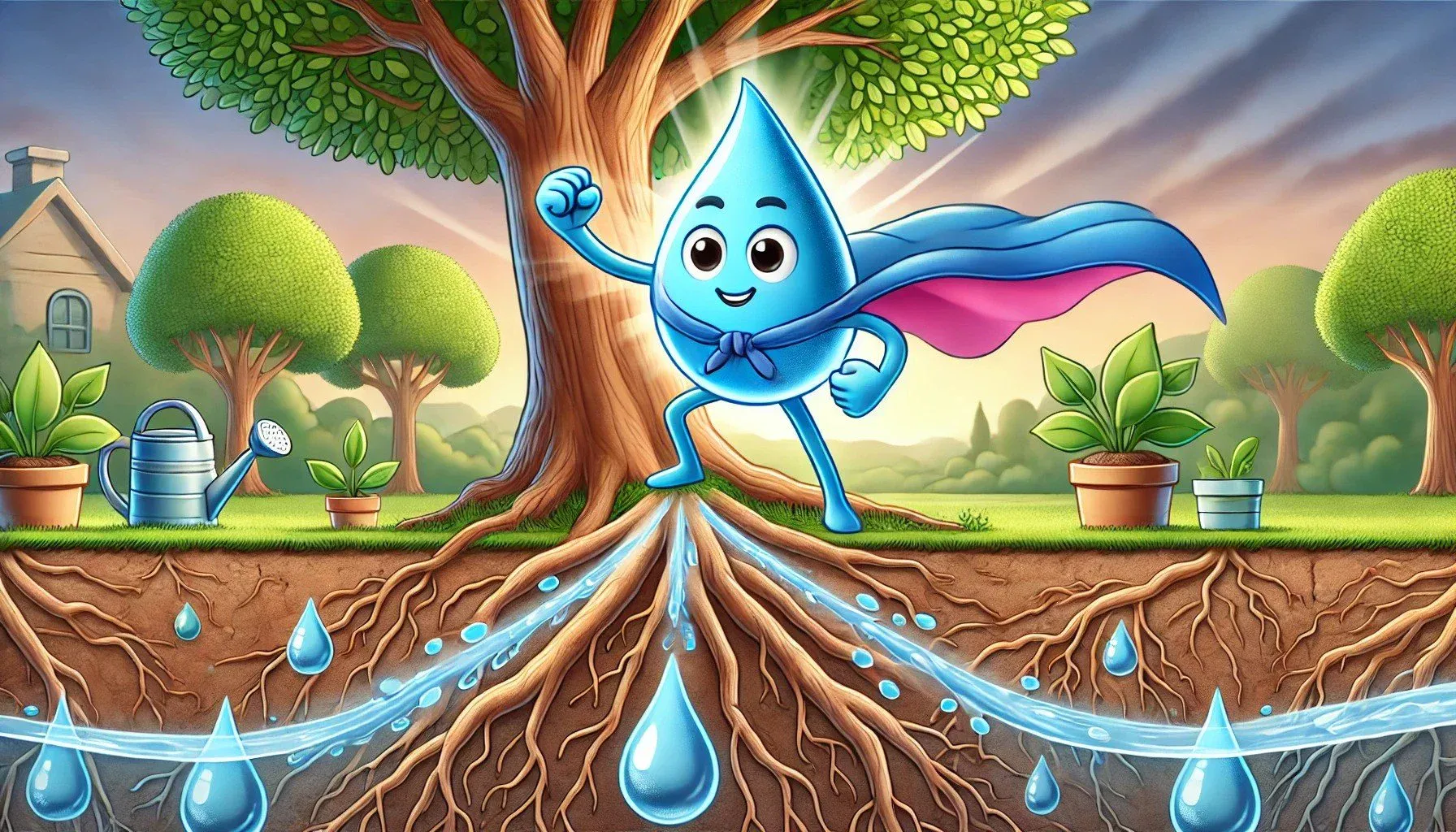
Shaded areas often need less water than sunny spots. The shade reduces evaporation, so the soil stays moist longer. However, when you do water:
- Water deeply but less frequently to encourage deep root growth.
- Water in the morning to reduce the risk of fungal diseases.
- Avoid overwatering, which can lead to root rot in already moist, shaded soil.
Pruning for Light
Sometimes the best approach is reducing the shade itself:
- Trim lower branches to allow more light to filter through.
- Thin out dense canopies to increase dappled sunlight on the ground.
- Consider removing smaller, less valuable trees that compete with your showcase trees.
The goal isn't to eliminate all shade, but to find balance between tree health and lawn needs. The UGA Extension's Shade and Street Tree Care guide covers proper mulching techniques and managing the competition between turf and trees.
Embracing Alternatives
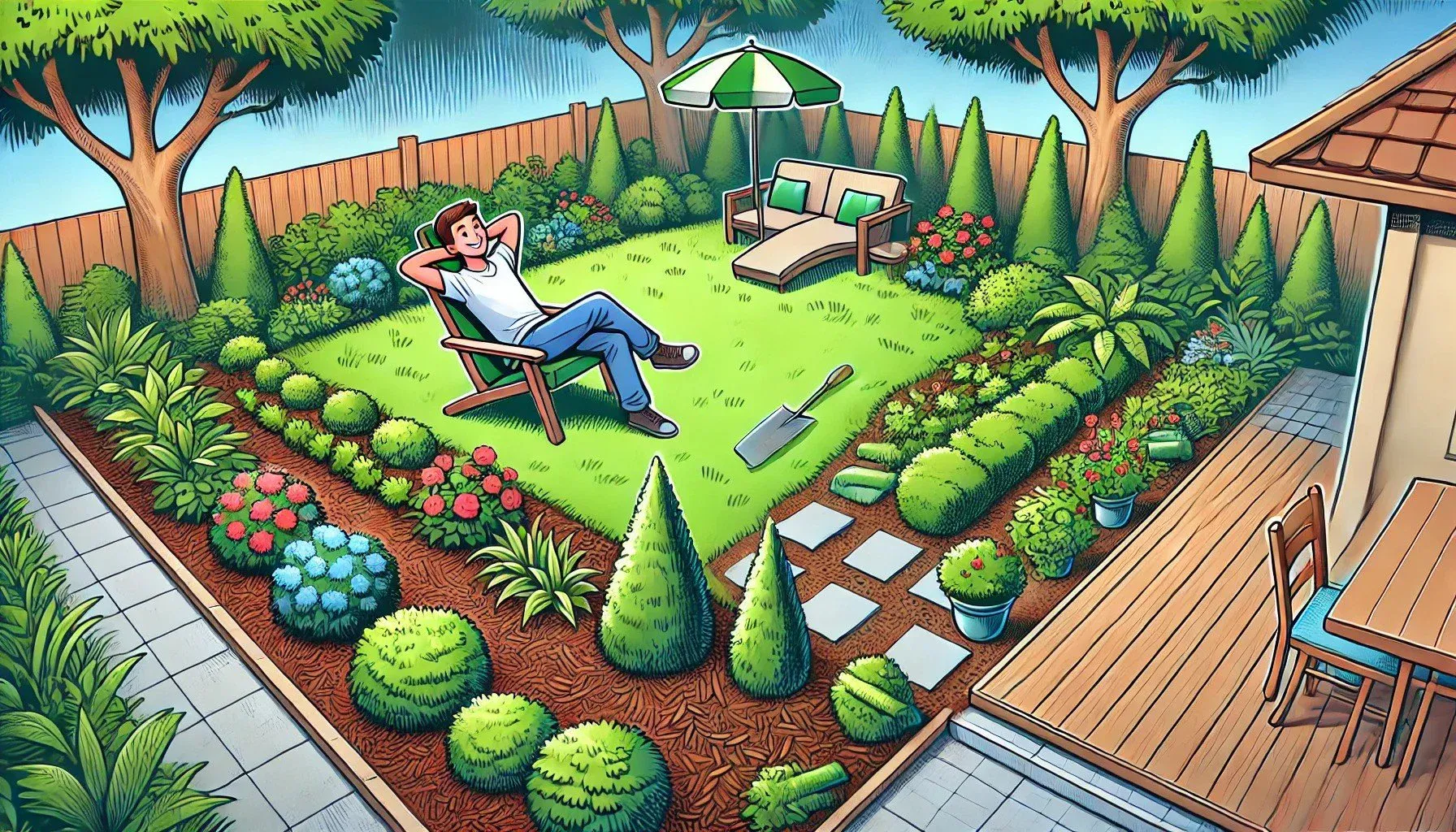
If grass still struggles in heavily shaded areas, consider alternatives:
- Shade-loving ground covers like liriope or mondo grass
- Mulched beds with shade-tolerant plants
- Hardscaping elements like patios or rock gardens