Regular Watering
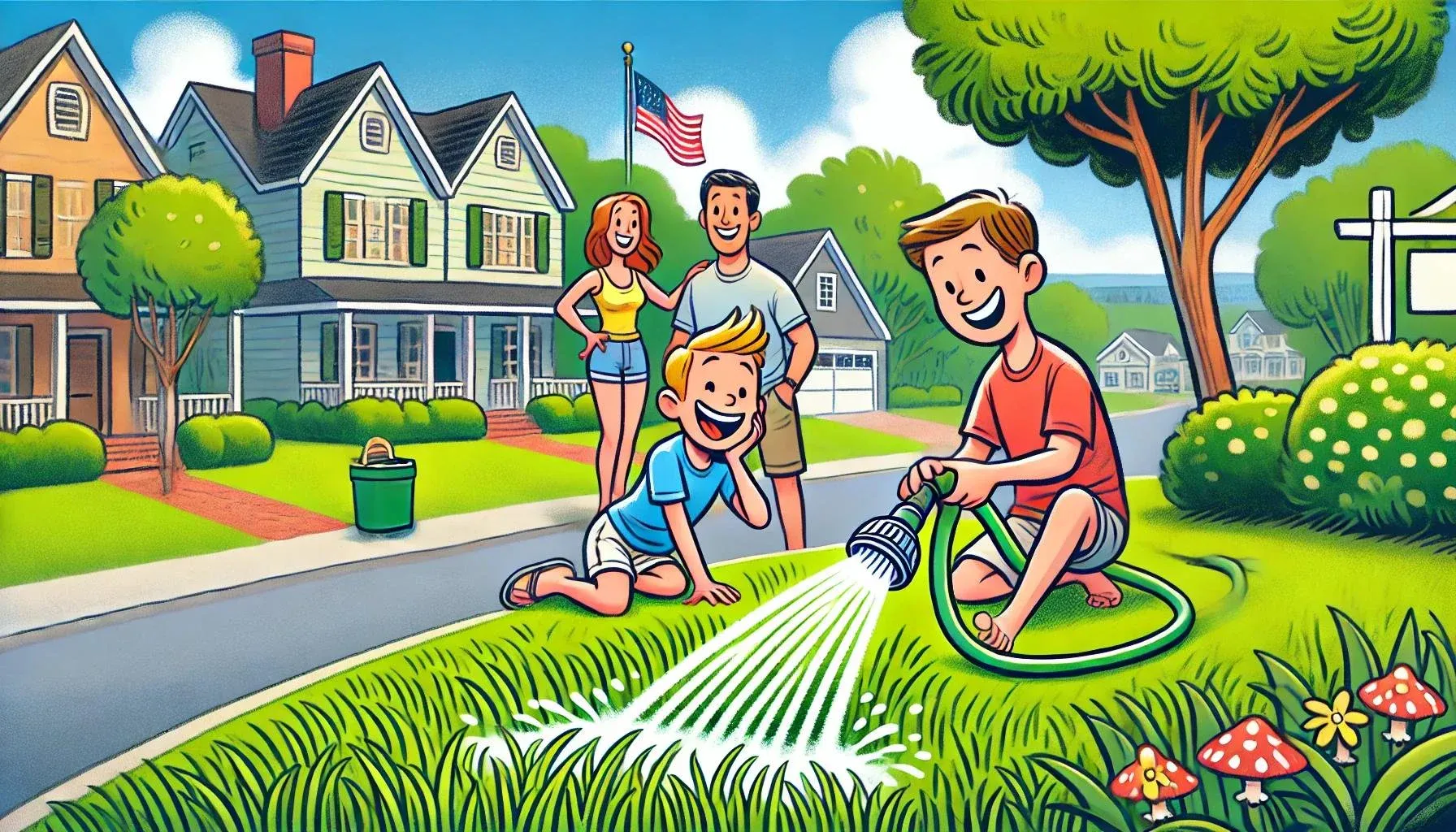
- Early Morning Watering: Water your lawn early in the morning to reduce evaporation and ensure that the grass absorbs moisture effectively.
- Deep Watering: Water deeply but infrequently. Aim for about 1 to 1.5 inches of water per week, including rainfall.
- Check Soil Moisture: Use a screwdriver or soil probe to check soil moisture. If it's dry below the surface, it's time to water.
Proper Mowing
- Mow High: Set your mower blades higher during summer. Taller grass shades the soil and reduces water evaporation.
- Sharp Blades: Keep your mower blades sharp to ensure clean cuts, which reduce stress on the grass.
- Mow Regularly: Avoid cutting more than one-third of the grass height at a time to maintain lawn health.
Fertilizing
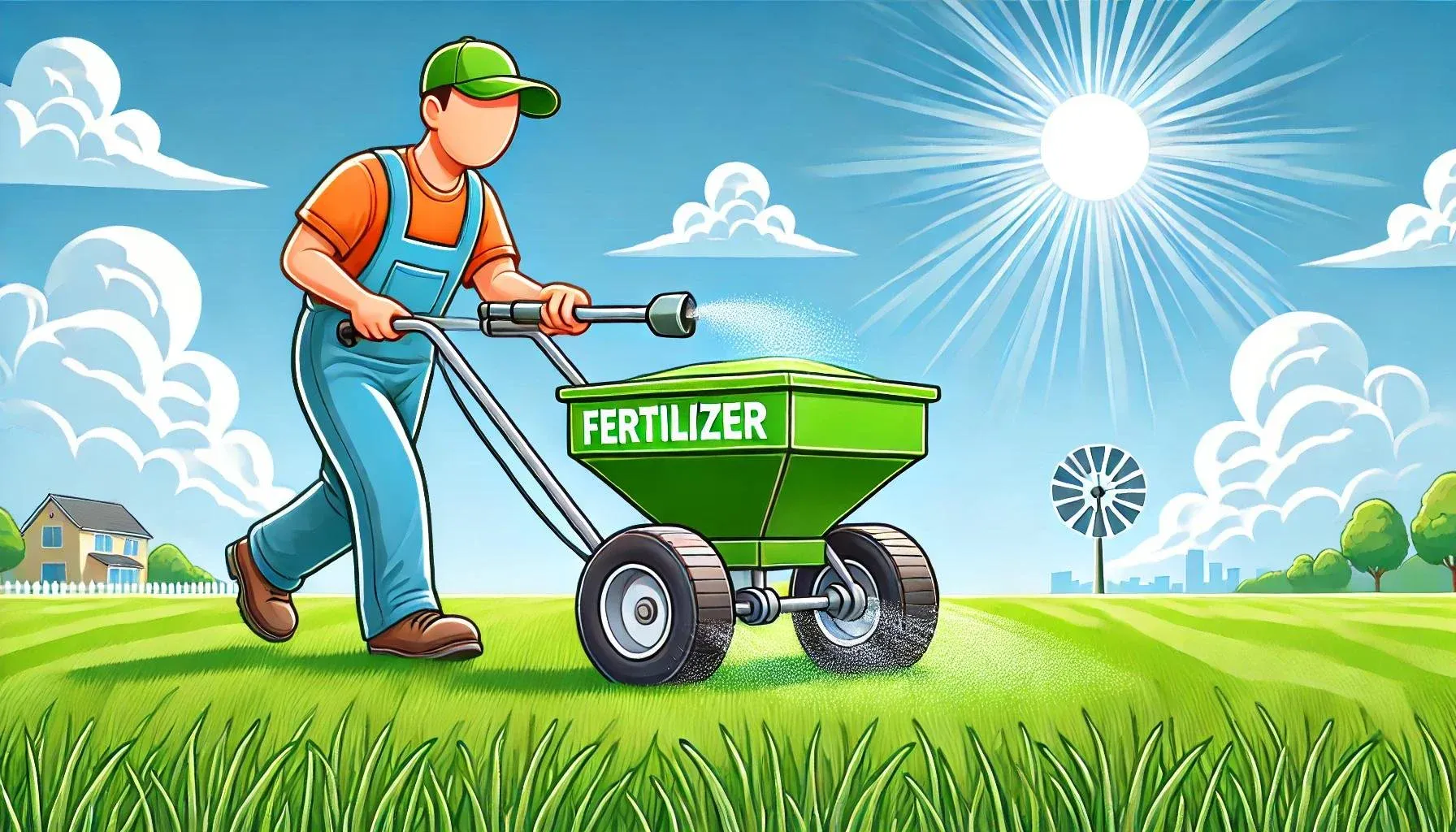
- Summer Fertilizer: Use a slow-release fertilizer to provide consistent nutrients throughout the summer.
- Proper Application: Follow the instructions on the fertilizer package for correct application rates and methods.
- Avoid Over-Fertilizing: Over-fertilizing can lead to thatch build-up and increased lawn disease susceptibility.
Aeration
- Why Aerate: Aeration helps reduce soil compaction, improves root growth, and enhances water and nutrient absorption.
- Best Time: Aerate your lawn in late spring or early summer when the grass is actively growing.
- Aeration Tools: Use a core aerator to remove small plugs of soil, which allows air, water, and nutrients to reach the roots.
Weed and Pest Control
- Identify Weeds: Regular inspection and appropriate herbicide or natural control methods.
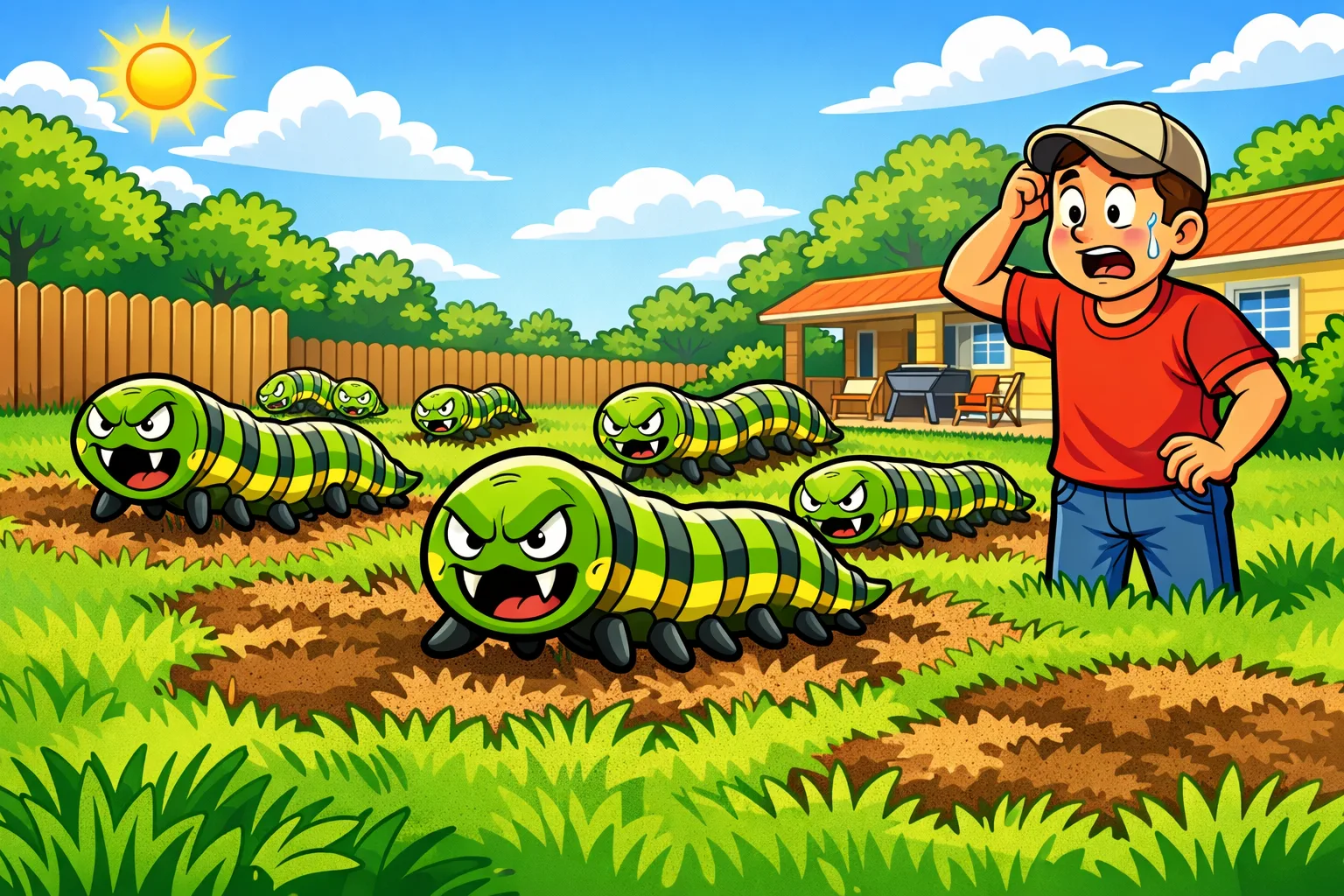
- Pest Monitoring: Keep an eye out for pests such as grubs and chinch bugs, and treat infestations promptly to prevent damage.
- Healthy Lawn Practices: Maintain lawn health through proper care to reduce weed and pest problems.
For region-specific watering and mowing schedules, the UGA Extension's Irrigation for Lawns and Gardens guide provides research-based recommendations for Georgia homeowners. You can also download a lawn care calendar specific to your grass type from the UGA Lawn Maintenance Calendars page.
By following these tips, you can ensure that your lawn stays healthy and vibrant throughout the hot Southern summer.