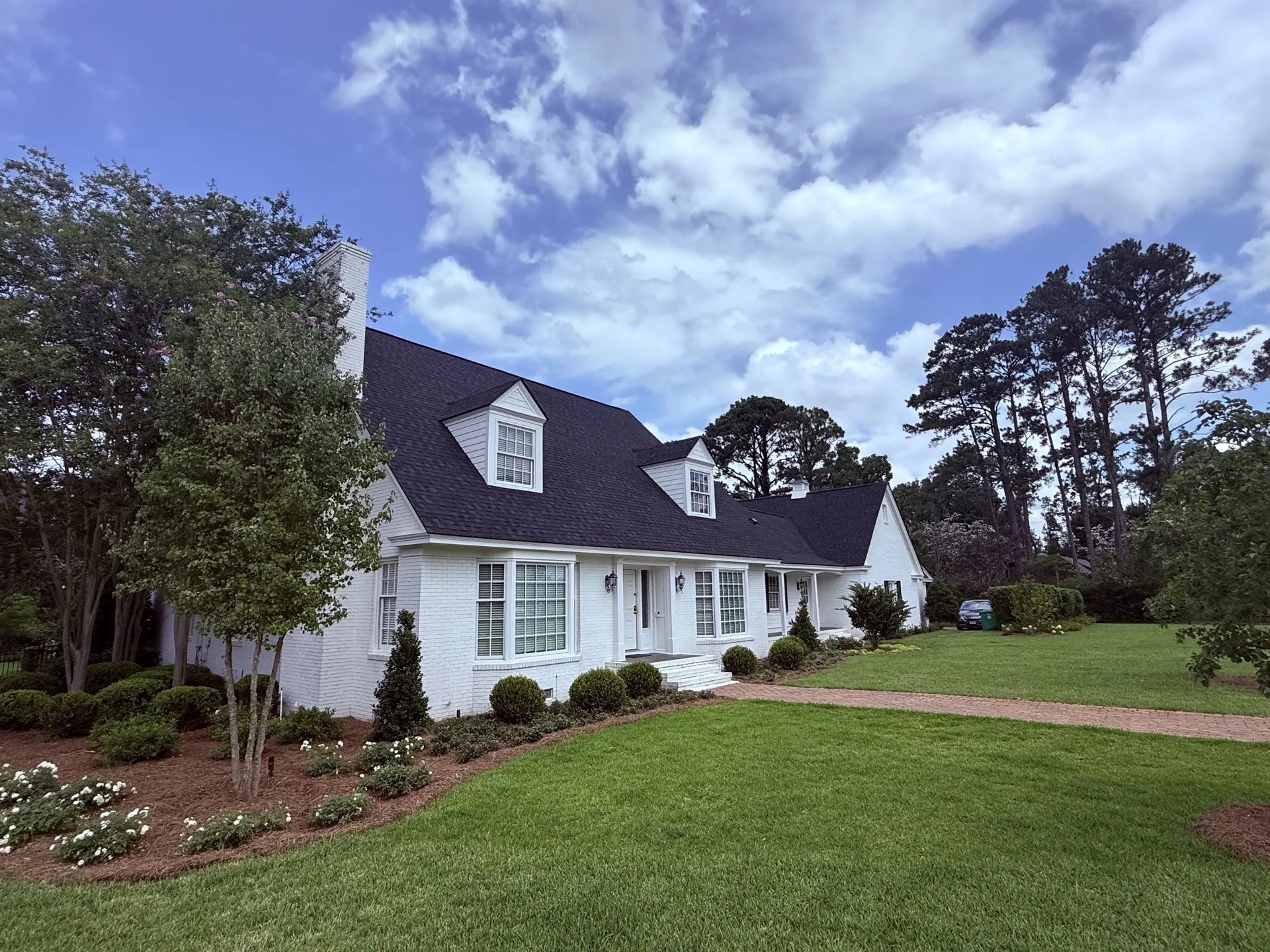
Tallahassee and North Florida present unique landscaping challenges and opportunities that differ from neighboring South Georgia. Understanding the local climate, soil conditions, and seasonal patterns is essential for creating and maintaining a beautiful, healthy lawn in Leon County and the surrounding region. Whether you're a homeowner in the capital city or managing commercial properties in the greater Tallahassee area, this comprehensive guide will help you navigate the specifics of North Florida landscaping.
Understanding Tallahassee's Climate Zone
Tallahassee sits in USDA Hardiness Zone 8b (per the UF/IFAS Florida-Friendly Landscaping Pattern Book), which means the area experiences mild winters with occasional freezes and hot, humid summers. This transitional climate zone allows for a diverse range of grass types and plants, but also requires careful planning to account for temperature fluctuations. Average winter lows hover around 20-30°F, while summer highs regularly exceed 90°F with high humidity.
The region receives approximately 60 inches of rainfall annually, with pronounced wet and dry seasons. Summer thunderstorms are frequent, while late fall through spring tends to be drier. This rainfall pattern significantly impacts irrigation needs and pest management strategies throughout the year.
Best Grass Types for Tallahassee Lawns
Choosing the right grass type is the foundation of successful lawn care in North Florida. The three most popular warm-season grasses each offer distinct advantages:
St. Augustine Grass
St. Augustine is the most popular choice for Tallahassee homeowners, and for good reason. This grass thrives in the region's heat and humidity while tolerating moderate shade better than other warm-season varieties. Common cultivars like Floratam, Palmetto, and Raleigh provide excellent coverage and that lush, carpet-like appearance homeowners desire.
However, St. Augustine requires consistent maintenance and is susceptible to chinch bugs and gray leaf spot disease, particularly during humid summer months. It also has moderate cold tolerance, making it suitable for Tallahassee's mild winters but vulnerable during occasional hard freezes.
Bermuda Grass
Bermuda grass offers exceptional durability and heat tolerance, making it ideal for high-traffic areas like sports fields and commercial properties. It establishes quickly, recovers well from damage, and requires less water than St. Augustine. Popular varieties like Tifway 419 and Celebration Bermuda perform exceptionally well in full sun conditions.
The main limitation of Bermuda grass is its poor shade tolerance—it needs at least 6-8 hours of direct sunlight daily. It also goes dormant and turns brown during winter months, though it greens up quickly in spring. For properties with mature trees or significant shade, St. Augustine or Zoysia are better options.
Zoysia Grass
Zoysia represents a middle ground between St. Augustine and Bermuda. It tolerates partial shade better than Bermuda while requiring less maintenance than St. Augustine. Zoysia develops a dense, attractive turf that naturally resists weeds and handles foot traffic well.
The primary drawback is establishment time—Zoysia grows more slowly than other warm-season grasses, taking 1-2 years to fully establish. However, once mature, it's remarkably drought-tolerant and pest-resistant. Empire, Innovation, and Palisades are recommended cultivars for the Tallahassee area.
North Florida vs. South Georgia: Key Differences
While Tallahassee and nearby South Georgia share many characteristics, important distinctions affect landscaping decisions:
- Growing Season: Tallahassee's growing season extends approximately 2-3 weeks longer due to slightly warmer winter temperatures, allowing for extended fall maintenance and earlier spring green-up.
- Soil Composition: North Florida typically has sandier, more acidic soils compared to the red clay found in parts of South Georgia. This affects drainage, nutrient retention, and amendment strategies.
- Rainfall Patterns: Tallahassee receives more consistent summer rainfall, reducing irrigation needs compared to drier areas of South Georgia during peak summer months.
- Pest Pressure: Higher humidity in Tallahassee creates more favorable conditions for fungal diseases and certain pests like chinch bugs, requiring more vigilant monitoring.
Seasonal Landscaping Calendar for Tallahassee
Success in North Florida landscaping requires understanding what tasks to perform during each season:
Spring (March - May)
Spring is the most active season for lawn care in Tallahassee. As temperatures consistently reach the mid-70s, warm-season grasses emerge from dormancy and enter their primary growth phase.
- Early Spring: Apply pre-emergent herbicide to prevent crabgrass and other summer weeds. Conduct the first mowing when grass reaches 3-4 inches. Begin regular irrigation schedules.
- Mid Spring: Apply first fertilizer application (typically around April) once grass is actively growing. Overseed thin areas. Monitor for early pest activity.
- Late Spring: Increase mowing frequency to weekly schedule. Apply broadleaf weed control as needed. Check irrigation system for proper coverage.
Summer (June - August)
North Florida summers test your lawn's resilience with extreme heat, humidity, and afternoon thunderstorms. Proper maintenance during this period is critical.
- Mowing: Maintain recommended height for your grass type (St. Augustine: 3.5-4 inches, Bermuda: 1-2 inches, Zoysia: 2-3 inches). Never remove more than one-third of blade height in a single mowing.
- Irrigation: Water deeply but infrequently—aim for 1-1.5 inches per week including rainfall. Water early morning (4-10 AM) to reduce disease pressure.
- Fertilization: Apply second round of fertilizer in June. Use slow-release formulations to provide consistent nutrients without burning grass during heat.
- Pest Management: Monitor closely for chinch bugs, armyworms, and mole crickets. These pests are most active during summer months and can cause rapid damage.
Fall (September - November)
Fall in Tallahassee offers ideal conditions for lawn recovery and preparation for winter dormancy.
- Early Fall: Apply final fertilizer application in September to help grass store nutrients for winter. Overseed cool-season grass in shady areas if desired.
- Mid Fall: Continue regular mowing schedule as growth slows. Aerate compacted lawns to improve root development.
- Late Fall: Reduce mowing frequency as grass enters dormancy. Final leaf removal before winter. Winterize irrigation system if equipped with above-ground components.
Winter (December - February)
Tallahassee winters are relatively mild, but occasional freezes require preparation and protective measures.
- Mowing: Reduce or cease mowing as grass goes dormant. If necessary, mow at highest recommended height to protect crown.
- Irrigation: Significantly reduce watering—dormant grass needs minimal moisture. Monitor forecast for hard freezes (below 28°F) and water lightly beforehand if soil is dry.
- Maintenance: This is an excellent time for hardscape projects, tree trimming, and landscape planning. Clean and service equipment for spring season.
Common Challenges in North Florida Landscaping
Understanding and addressing these regional challenges will significantly improve your lawn's health and appearance:
High Humidity and Disease Pressure
Tallahassee's humid climate creates ideal conditions for fungal diseases like brown patch, gray leaf spot, and dollar spot. Prevention strategies include:
- Water early morning to allow grass blades to dry during the day
- Ensure adequate air circulation by trimming overhanging branches
- Avoid over-fertilization, which promotes succulent growth susceptible to disease
- Apply preventive fungicides during high-risk periods (hot, humid weather with frequent rain)
Chinch Bugs
Chinch bugs are the most destructive pest for St. Augustine grass in North Florida. These small insects feed on grass blades, injecting toxins that cause yellowing, browning, and eventual death. Damage typically appears as irregular patches that expand rapidly during hot, dry weather.
To manage chinch bugs: inspect lawn regularly during summer months, particularly along sidewalks and driveways where heat stress makes grass more vulnerable. Apply targeted insecticides at first sign of infestation. Consider resistant St. Augustine varieties like Floratam for new installations.
Mole Crickets
Mole crickets tunnel through soil, destroying grass roots and creating unsightly ridges. They're most active during spring and fall. Combat them through proper timing of insecticide applications (typically May-June for nymphs) and maintaining healthy, dense turf that resists invasion.
Sandy Soil and Nutrient Leaching
North Florida's sandy soils drain quickly, which prevents waterlogging but also allows nutrients to leach below the root zone. Address this through:
- Frequent, smaller fertilizer applications rather than heavy single doses
- Incorporating organic matter (compost) into soil to improve nutrient retention
- Using slow-release fertilizers that provide nutrients over extended periods
- Regular soil testing (every 2-3 years) to identify specific deficiencies
Occasional Cold Damage
While Tallahassee rarely experiences prolonged freezes, occasional dips below 25°F can damage warm-season grasses, particularly St. Augustine. Protect your lawn by:
- Avoiding late-fall nitrogen applications that promote tender growth
- Raising mowing height in late fall to protect grass crowns
- Watering lightly before predicted hard freezes if soil is dry
- Avoiding foot traffic on frozen grass, which can cause additional damage
Native Plants That Thrive in Tallahassee
Incorporating native plants into your landscape reduces maintenance requirements while supporting local wildlife and ecology. The UF/IFAS North Florida Gardening Calendar provides month-by-month planting schedules for the region. These North Florida natives are well-adapted to the region's conditions:
Trees
- Live Oak (Quercus virginiana): The iconic Southern tree provides magnificent shade and requires minimal care once established.
- Bald Cypress (Taxodium distichum): Excellent for wet areas, this deciduous conifer tolerates both flooding and drought.
- Red Maple (Acer rubrum): Provides stunning fall color and adapts to various soil conditions.
- Longleaf Pine (Pinus palustris): Fire-resistant and drought-tolerant native conifer perfect for naturalistic landscapes.
Shrubs
- Beautyberry (Callicarpa americana): Produces striking purple berries in fall, attracts birds, tolerates shade.
- Firebush (Hamelia patens): Red-orange tubular flowers attract hummingbirds, blooms throughout summer.
- Coontie (Zamia pumila): Low-maintenance cycad perfect for foundation plantings, extremely drought-tolerant.
- Wax Myrtle (Morella cerifera): Excellent screening plant, tolerates wet or dry conditions, provides winter interest.
Perennials and Groundcovers
- Muhly Grass (Muhlenbergia capillaris): Ornamental grass with pink plumes in fall, extremely low-maintenance.
- Blanket Flower (Gaillardia pulchella): Bright red-and-yellow blooms, thrives in poor soil, attracts butterflies.
- Wild Petunia (Ruellia caroliniensis): Purple flowers throughout summer, self-seeds moderately, tolerates dry shade.
- Sunshine Mimosa (Mimosa strigillosa): Low-growing groundcover with pink puffball flowers, nitrogen-fixing legume improves soil.
Elite Landscapes' Experience in the Tallahassee Market
Elite Landscapes has been serving North Florida and South Georgia communities since 2013, with extensive experience in the unique conditions of the Tallahassee area. Our team understands the subtle but important differences between managing lawns in Leon County versus our core Valdosta service area.
We've successfully completed residential and commercial projects throughout the region, from comprehensive lawn maintenance programs to complete landscape design installations. Our familiarity with local soil conditions, pest pressures, and seasonal patterns allows us to create customized maintenance plans that keep Tallahassee lawns healthy year-round. Property managers and HOA boards can learn more about our commercial landscaping services in Tallahassee and Leon County.
Whether you're dealing with chinch bug infestations in your St. Augustine, need expert advice on irrigation system design for sandy soils, or want to incorporate native plants into your landscape, our certified professionals have the knowledge and experience to help. We bring the same commitment to quality and customer service that has made us a trusted name in South Georgia to our North Florida clients.
Get Expert Tallahassee Landscaping Services
Maintaining a beautiful lawn in North Florida requires knowledge, consistency, and attention to seasonal requirements. Whether you're a new homeowner learning the basics or a long-time resident looking to improve your property's appearance, Elite Landscapes can help.
Our services include:
- Weekly lawn maintenance and mowing tailored to grass type and season
- Fertilization programs designed for North Florida's sandy soils
- Integrated pest management for chinch bugs, mole crickets, and other regional pests
- Irrigation system design, installation, and repair optimized for Tallahassee's rainfall patterns
- Landscape design incorporating native plants adapted to the local climate
- Outdoor lighting installation to enhance curb appeal and security
- Hardscape construction including patios, walkways, and retaining walls
Contact Elite Landscapes today for a free consultation and estimate. Let us help you create and maintain the healthy, beautiful lawn your Tallahassee property deserves.